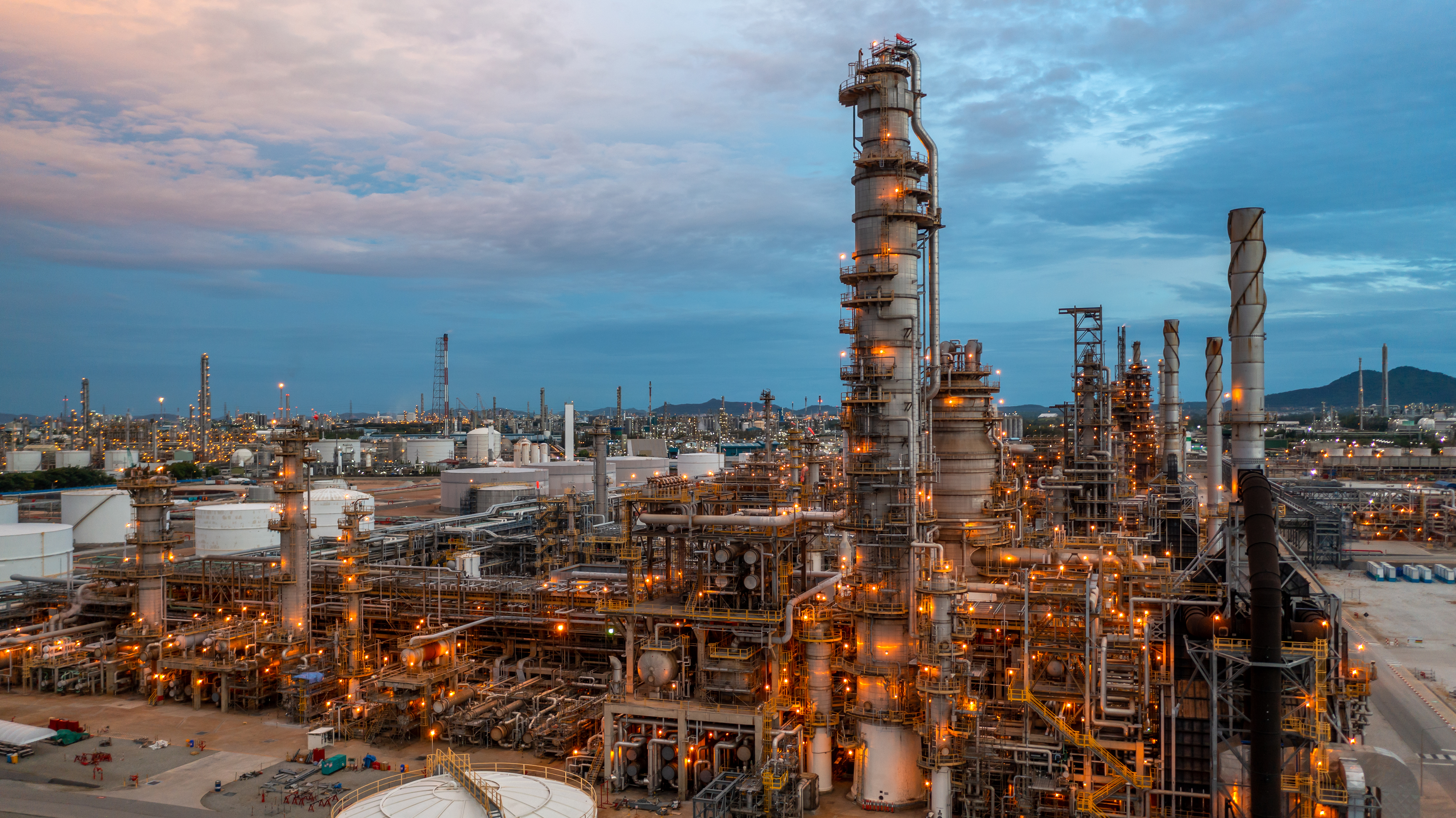
Why Superpollutants Matter
Superpollutants are a powerful group of climate pollutants that drive outsized warming compared to carbon dioxide and pose serious risks to human health and the environment. They include methane, tropospheric ozone, refrigerants such as HFCs, nitrous oxide, and black carbon (soot). Most are greenhouse gases that trap heat in the atmosphere, while others, like black carbon, warm the planet by absorbing sunlight and accelerating ice and snow melt.
As the climate crisis accelerates, the science is clear: cutting superpollutants is one of the fastest and most effective ways to slow global warming in the near term. These pollutants are responsible for roughly half of today’s warming, yet proven solutions to reduce them already exist and can be deployed now.
Because most superpollutants remain in the atmosphere for a relatively short time, reducing their emissions can deliver climate benefits almost immediately. Action this decade can limit peak warming by up to 0.1°C, buying critical time for long-term decarbonization, protecting communities, and reducing the risk of dangerous climate feedbacks. By aggressively cutting superpollutant emissions, we can avoid more than 0.5°C of warming by 2050.
This is why Beyond Alliance is working to accelerate superpollutant solutions—because fast climate action matters, and the opportunity is right now.
The Superpollutant Action Initiative
The Superpollutant Action Initiative is a joint effort by leading companies, coordinated by the Beyond Alliance, to deploy $100 million into projects that reduce superpollutants such as methane and refrigerants, which drive roughly half of today’s global warming and contribute to harmful air pollution. By funding catalytic initiatives with immediate climate impact, the Initiative accelerates solutions that curb near-term warming, protect communities from air quality risks, and deliver cost-effective economic benefits.
The Initiative is based on the following principles:
Catalytic Impact. Participating companies are encouraged to direct funding to projects that would not advance without private-sector support, so that investments accelerate rather than displace action by governments or other organizations.
Urgency for the Planet. Participating companies recognize the scientific reality that the planet is warming at an unprecedented rate. Because reducing superpollutants is one of the most effective and immediately available tools to slow this trend, companies support deploying funds swiftly and responsibly.
Dual-Horizon Climate Action. Participating companies recognize that action on superpollutants complements efforts to reduce CO2 emissions and remove atmospheric CO2. Because many superpollutants are short-lived climate pollutants (for example, methane has an atmospheric lifetime of roughly 12 years), projects supported through the Initiative aim to deliver meaningful reductions in near-term warming. Companies are encouraged to pair this work with support for climate solutions that deliver atmospheric benefits over longer time horizons.
Collaboration. While this $100 million Initiative represents a meaningful start, it is only a small fraction of the global investment needed to address superpollutants at scale. Through this Initiative, Beyond aims to set a clear precedent for others across the private and public sectors and welcome additional partners to join this urgent effort.
- Read more about the initiative in our press release here, and our recent blog from our director, Luke.

The Scope 3 Refrigerant Initiative
The Scope 3 Challenge
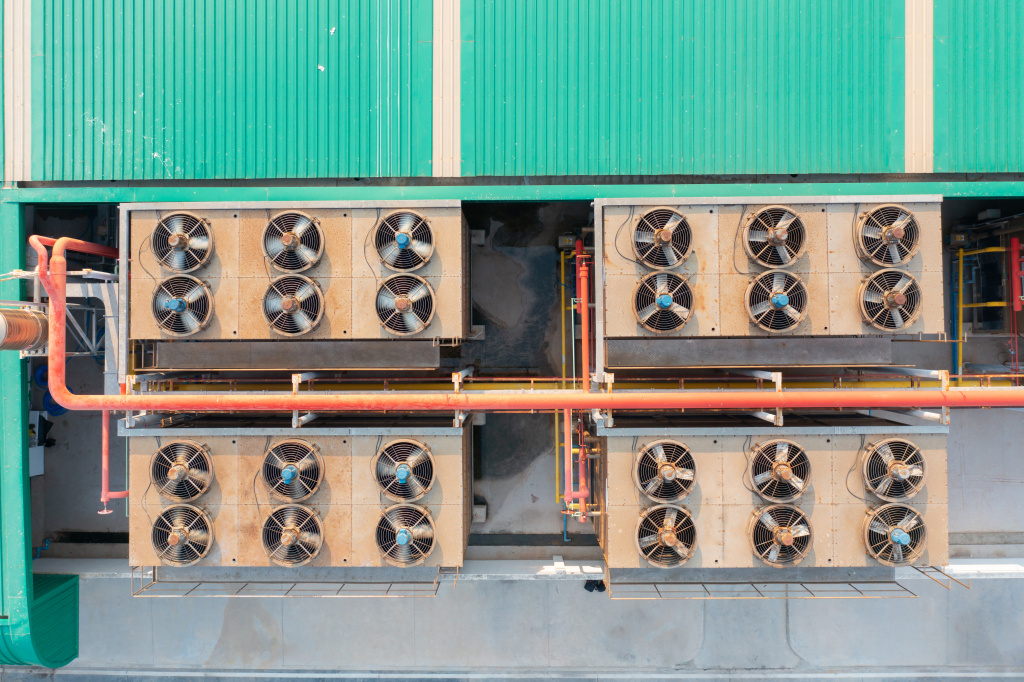
Refrigerant emissions account for an estimated 3–4% of global greenhouse gas emissions today. Their climate impact already exceeds that of cement (3%), aviation (1.9%), and shipping (1.7%), and represents roughly half of total commercial building emissions (6.6%).
As global demand for cooling accelerates this century—alongside electricity grid decarbonization and transportation electrification—refrigerant emissions will grow in relative prominence and climate significance. From the construction and operation of commercial buildings to the management of data centers and real estate portfolios, refrigerants represent a material and under-addressed emissions source for companies across sectors.
Why Scope 3 Refrigerants Matter
Refrigerants often fall between operational boundaries, supplier responsibilities, and accounting boundaries—making them difficult to measure, manage, and finance at scale.
The Beyond Alliance is partnering with êffecterra to unlock investment in Scope 3 refrigerant decarbonization. Together, we will help companies identify where refrigerant emissions pose both material climate risk and a high impact opportunity—addressable through ownership and operational strategies, procurement, supplier engagement, and value chain collaboration.
Our initial Request for Information (RFI), open now, seeks to gather market feedback on the technical and commercial feasibility of refrigerant-reduction strategies across the full value chain. Solutions deployed across commercial real estate and data center cooling are particularly encourage. Insights from the RFI will inform a subsequent Request for Proposals (RFP), aimed at identifying credible, scalable investment opportunities. More information forthcoming Summer 2026.
Interested parties can submit responses to êffecterra here:
The Roadmap: Turning Near-Term Climate Ambition into Action
As companies work to deliver on their net-zero commitments, there is growing recognition that addressing superpollutants is essential to slowing warming in the near term. Yet until recently, these emissions have been largely overlooked and undervalued within corporate climate strategies—despite their outsized impact and the availability of solutions today.
The Beyond Alliance is committed to changing this. Our corporate members seek to better understand how superpollutant emissions drive warming over time, to identify and act on the levers within their control, to advance the science and credibility of mitigation approaches, and to collaborate on a first-of-its-kind private-sector roadmap to define and deliver meaningful superpollutant-driven that immediately reduce peak temperature rise.
To support this ambition, we are partnering with the Carbon Containment Lab, an independent nonprofit expert organization, to develop a Global Superpollutant Roadmap for Companies, to be released in 2026. The Roadmap will be a research-driven, actionable framework that identifies the most promising and immediately available levers companies can use to reduce warming from superpollutants this decade.
Grounded in cutting-edge science and real-world feasibility, the Roadmap will highlight high-quality, scalable mitigation opportunities, supported by illustrative examples and case studies identified by the Carbon Containment Lab. It will be designed as a living framework—able to evolve over time as science advances, new solutions emerge, and additional opportunities for impact become available.
Beyond Alliance members represent companies with more than $12.5 trillion in annual revenue, spanning sectors that play a significant role in shaping global value chains and investment decisions. The Roadmap will identify and assess where the most material opportunities for superpollutant mitigation lie across sectors and along value chains, including operational actions, supplier and customer engagement, voluntary carbon market investments, and targeted policy advocacy. Designed as a practical guide for both Beyond members and the broader private sector, the roadmap will help companies prioritize and deploy the most effective levers to maximize real-world impact and accelerate reductions in near-term warming.
The Superpollutant Academy
The Beyond Alliance is launching the Superpollutant Academy, in collaboration with Calyx Global, to help companies build the knowledge and confidence needed to support high-quality superpollutant mitigation through the voluntary carbon market.
Superpollutants—including methane, refrigerants, nitrous oxide, and black carbon—are responsible for a significant share of near-term warming. As part of a broader portfolio of climate action, companies are increasingly exploring opportunities to address these emissions across their value chains. The Superpollutant Academy equips corporate sustainability professionals with the tools to do so responsibly and effectively.
The Academy consists of five remote modules covering topics from superpollutant science and climate impact to carbon market dynamics, procurement pathways, and project evaluation. The program is designed to build practical capacity for companies seeking to engage with superpollutant credits in an informed, integrity-driven way.
Participants will also receive access to a dedicated superpollutant ratings and inventory platform powered by Calyx Global, featuring ratings and data for more than 250 superpollutant mitigation projects. This access enables participants to evaluate project quality, compare risks and opportunities, and apply independent ratings to real-world procurement decisions.
Featured news
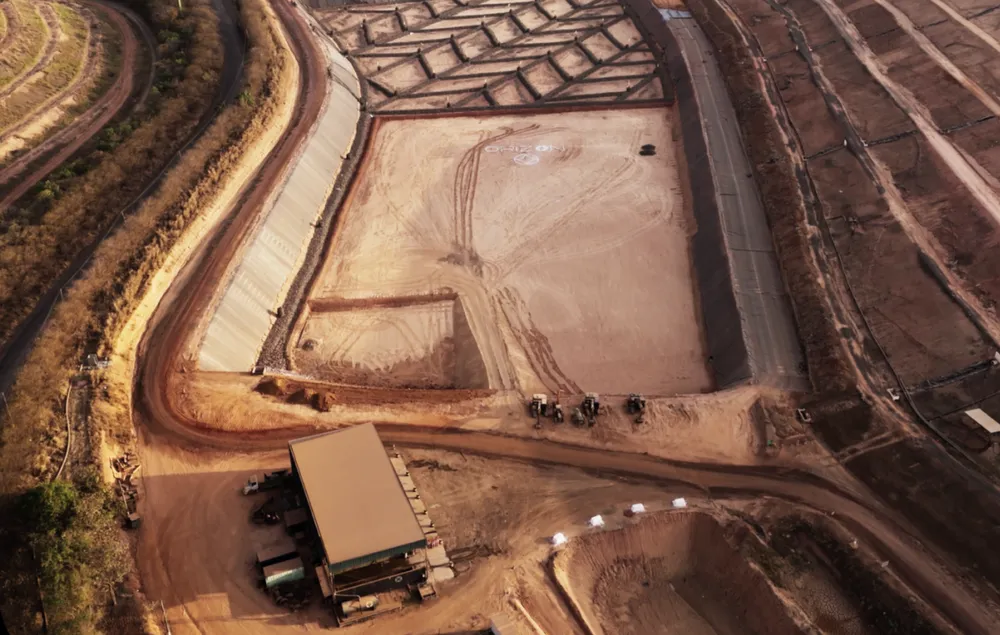
Amazon and JPMorgan headline group committing $100 million to cut ‘superpol
Trellis

Google, Amazon, others team to cut climate "superpollutants"
Axios
FAQs
- Superpollutants are a subset of atmospheric pollutants, such as methane, nitrous oxide, fluorocarbons, and black carbon (e.g. soot) that are responsible for roughly half of the warming we are observing on the planet today.
- These are critical levers in tackling climate change because they can be hundreds to thousands of times more potent than C02 in the near term.
- As most of them are “short-lived” climate pollutants that stay in the atmosphere for anywhere from several days to several decades, superpollutants have an outsized impact on our ability to curb temperature increases in the near term (e.g. the next 20 to 100 years). C02 emissions by comparison, determine the extent of warming over longer periods of time. Studies have shown that mitigating superpollutants could avoid more than half a degree Celsius of warming by midcentury and more than one degree by the end of the century
- Superpollutant impacts are less widely understood and often treated as a technical niche rather than a central climate priority, though this is changing as the world reaches dangerous climate tipping points and the impacts of near-term warming are already being felt.
- Action has also been slowed by the absence of clear systems to report on, incentivize and recognize corporate investment in this space. Until recently, there were few policy signals, standards, or market mechanisms that made it easy—or visible—for companies to lead.
- The Superpollutant Action Initiative aims to help close these gaps by raising awareness and encouraging both policymakers and companies to accelerate action on this critical near-term climate lever.
Tackling superpollutants is an effective and necessary complement to drastically reducing and removing C02 emissions, not a substitute. We need to take urgent action on both to solve the climate crisis. See www.ccacoalition.org/news/superpollutants for more info.
Superpollutants such as black carbon and tropospheric ozone are potent air pollutants, and others contribute to the formation of more pollutants, negatively impacting human health and agriculture. By mid-century, research shows that superpollutant abatement could prevent millions of premature deaths and save tens of millions of tonnes of agricultural output.
The idea for the Initiative grew out of a shared recognition—raised repeatedly by companies, scientists, and NGOs—that as temperature rise accelerates, we urgently need to activate “emergency-brake” levers, including superpollutant mitigation and destruction. Many of the companies now participating have invested in superpollutant mitigation as part of their climate strategies and bring deep carbon-market experience. Through this experience, they increasingly recognized that this segment of the market offers a rare combination of high integrity, clear measurability, and significant untapped potential for near-term climate impact.
The Initiative took shape through a series of roundtables convened by the Beyond Alliance and others throughout 2025, including at LCAW, NYCW, and Trellis. Across these discussions, companies and experts converged on the need to scale corporate investment in superpollutants. This evolved into what is now the Superpollutant Action Initiative—designed to showcase and accelerate meaningful action in this critical area.
Currently, the financial commitment is expected to be fulfilled by participating companies purchasing credits on the voluntary carbon market, but the Initiative remains open, and Beyond members will continue to explore opportunities to mobilize capital to invest though value chain interventions, including market-based approaches to scope 3.
The Superpollutant Action Initiative reflects capital deployed by participating companies in projects to be deployed between January 2025 and December 2030. This timeframe was chosen to demonstrate the tangible, near-term results in emissions reductions that can be achieved through concerted efforts to invest in high-impact projects and to motivate action as soon as possible.
The Beyond Alliance, as one of the core conveners of companies working to advance market-based action on superpollutants, will aggregate and share collective progress against the Initiative. Companies will report on capital deployed directly to Beyond Alliance, and may also share their individual project-level progress in line with their existing sustainability reporting.
- It depends on how the target is expressed and whether the intervention occurs within a company’s value-chain boundary or beyond it.
- Most reporting frameworks and crediting methodologies quantify emission reductions using GWP100. While this is the prevailing standard, many researchers note that GWP100 does not fully capture the outsized near-term climate impact of short-lived pollutants like methane and HFCs over shorter time periods like 20 years.
- For reporting, companies can distinguish between value-chain interventions and any credits or investments made outside the value chain, ensuring clarity on how different forms of action contribute to their overall climate strategies.
- The roadmap will draw on the best available science to identify where corporate action on superpollutants is most urgently needed across three levers: value-chain interventions, the voluntary carbon market, and policy advocacy. It is being led by scientists at the Carbon Containment Lab in partnership with the Beyond Alliance, and overseen by an advisory committee of leading scientists, economists, and policy experts.
- While the roadmap is intended as a global guide for corporate action on superpollutants writ large, in the context of the Pledge it will specifically help participating companies deploy their funding where it can have the greatest near-term impact aligned with science. We are launching the design of the SP Roadmap today, it will be released before the end of the year.
In addition to the participating companies, the Initiative is supported by a diverse range of NGO’s, academic institutions, and initiatives including the Carbon Containment Lab, Cascade Climate, Climate and Clean Air Coalition, the ClimateWorks Foundation, Environmental Defense Fund, Global Methane Hub, and Superpollutant Action Alliance.
Companies will continue to conduct their own independent diligence and procurement processes, and there will be no centralized platform or joint call for proposals as part of this effort. Where appropriate, companies may explore parallel or aligned investments to enhance catalytic impact, while maintaining full independence in decision-making, pricing, counterparties, and transaction terms.
Companies that are interested in participating in the effort can get in touch with Beyond at info@beyond-alliance.org