
To invest in carbon credits at scale, companies need to know what a credible tonne looks like. Increasingly, that answer is being written in Bonn, where the Paris Agreement’s Article 6.4 mechanism is setting the rules for how carbon credits are generated, verified, and issued — rules that apply to countries and companies alike. It is becoming the reference architecture …
Beyond & êffecterra Launch RFP to Accelerate Action on Refrigerants
Beyond and êffecterra are launching a Request for Proposals focusing on scaling Scope 3 refrigerant value chain interventions. Refrigerants are one of the biggest climate problems nobody’s accounting for. They make up an estimated 3 to 4% of global emissions—more than cement or aviation—yet they are still routinely dismissed as immaterial in corporate Scope 3 inventories, even though they represent …
Why Carbon Markets Need a New Way to Think About Durability
Carbon dioxide removal is essential to meeting our climate goals. The science is clear, and policymakers from California to Brussels are acting on it. What remains contested is how to ensure that carbon removal credits actually deliver the climate impact they promise, not just when they’re issued, but for as long as policy requires. That’s the question at the heart of the paper we’re publishing today with RMI and the …
New Approach Could Help Solve One of Carbon Markets’ Biggest Problems
New research outlines how “contracted durability” can manage reversal risk and improve confidence in carbon removal credits Washington, DC —June 16 The American Forest Foundation (AFF), Beyond Alliance, and RMI today released findings that introduce a new legal and financial framework to manage risk for all carbon removal pathways that will bolster the integrity and scalability of the market. Along with rapidly reducing emissions, carbon …

Beyond the ‘Physical’ Inventory: Why the Greenhouse Gas Protocol Needs a More Practical Approach to Climate Reporting
The Greenhouse Gas Protocol is considering one of the most significant changes to corporate climate accounting in years: moving from a single greenhouse gas inventory toward a multi-statement reporting framework through its proposed Actions & Market Instruments (AMI) standard. At Beyond, we strongly support this direction. For years, companies have been forced to fit an increasingly complex set of climate actions into …
Beyond at Trellis Impact and London Climate Action Week 2026
Beyond is bringing four sessions to Trellis Impact in San Francisco this June — covering voluntary carbon markets, Environmental Attribute Certificates, superpollutants, and carbon removal. VCM Buyers Bootcamp Monday, June 22 | 9:30 AM – 5:00 PM A one-day workshop that gives corporate sustainability and procurement teams the knowledge, frameworks, and hands-on practice to move from ad hoc carbon credit …

Mobilizing Markets for the EU’s 2040 Climate Target
The European Union is designing the policy architecture that will define its path to a 90% net reduction in greenhouse gas emissions by 2040 — arguably the most consequential set of climate policy decisions the bloc will face this decade. Legislative proposals are expected in the fourth quarter, and the choices made in coming months will shape European climate policy, …
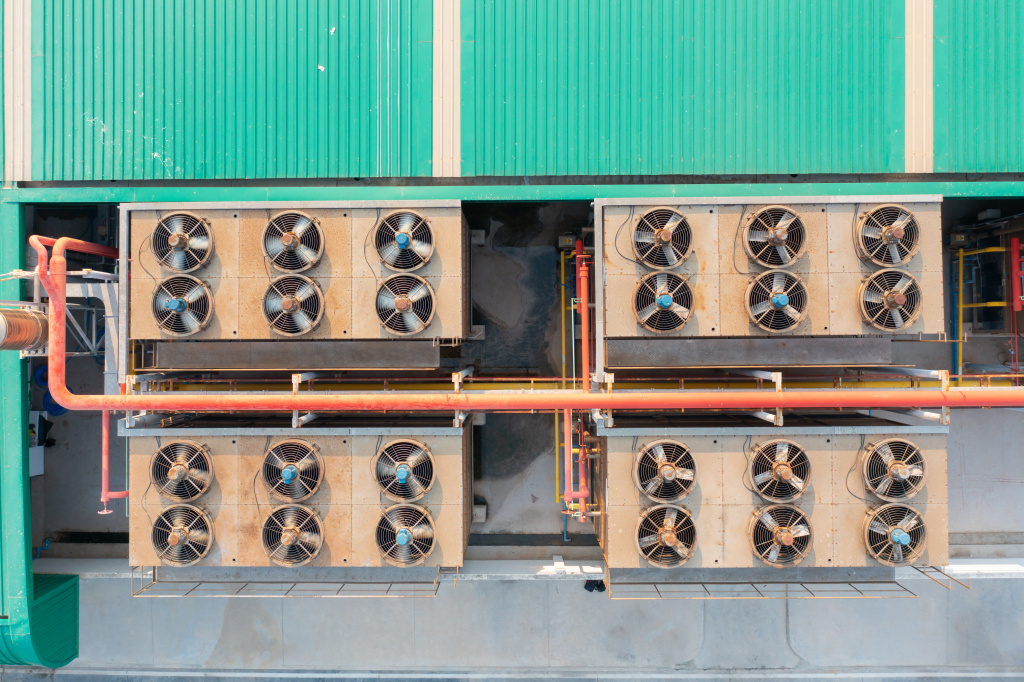
Mobilizing Investment in Refrigerant Decarbonization
Refrigerants account for an estimated 3–4% of global greenhouse gas emissions, but they remain one of the most significant and under-addressed opportunities for climate action. As demand for cooling continues to rise across commercial buildings, industrial processes, and digital infrastructure, the climate impact of refrigerants is already growing. Yet refrigerants don’t fit neatly into traditional emissions categories. Responsibility is often …
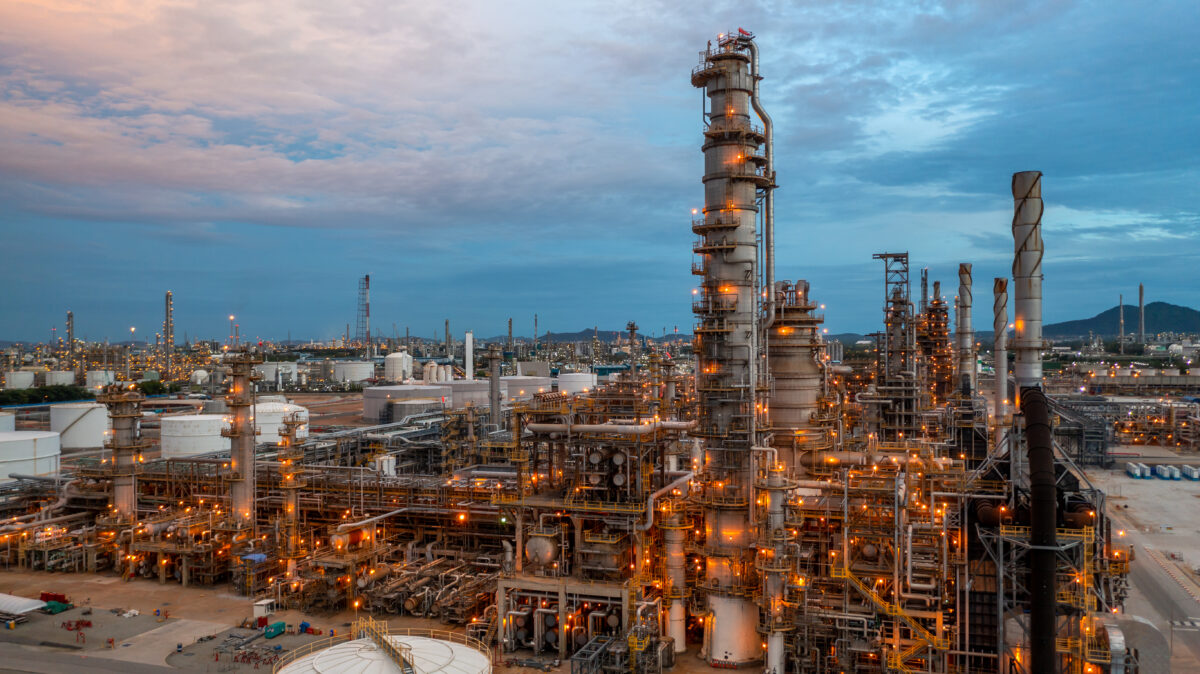
Leading Companies will direct $100m to accelerate action against Superpollutants
A coalition of leading companies including Amazon, Autodesk, Figma, Google, JPMorganChase, Salesforce, and Workday has launched the Superpollutant Action Initiative, committing $100 million through 2030 to slash methane, black carbon, and refrigerant gases; pollutants responsible for roughly half of all climate warming to date.

Helping Companies Turn Ambition into Action on Superpollutants
When we think about climate change, it’s easy to focus only on CO₂—but there’s another group of pollutants that are just as urgent, if not more so in the near term. Superpollutants like methane, black carbon, and refrigerants are responsible for roughly half of the warming the planet has experienced to date. The good news? Reducing them is one of …
- Page 1 of 2
- 1
- 2