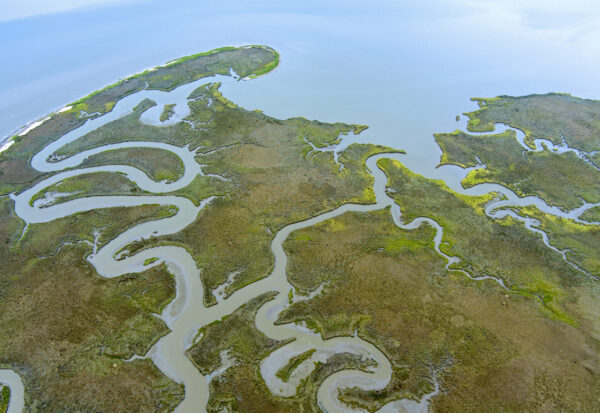
In this brief, the European Forest Institute outlines key risks facing biodiversity credit market, such as weak baselines, permanence gaps, and vague metrics. It proposes science-based safeguards, governance standards, and policy roles to ensure integrity and avoid repeating carbon market failures.
Scope 3 decarbonisation: Practitioner challenges
This Ramboll report draws on deep interviews with over 30 companies to understand the barriers to effective Scope 3 emissions reduction. It identifies persistent implementation challenges, from poor data visibility and supplier coordination to weak financing and reporting standards. Many companies struggle to move beyond targets to real reductions, especially in complex, global value chains. The report offers priority actions for business and policymakers, including clearer accounting rules, capacity support, financing instruments, and cross-sectoral collaboration to close the action gap on Scope 3.
Carbon crediting data framework (CCDF)
The Carbon Crediting Data Framework (CCDF) proposes a standardized schema for core carbon crediting data. Developed by RMI with ecosystem input, it supports transparency, lowers transaction costs, and enables cross-platform interoperability. The framework addresses project metadata, MRV inputs, risk disclosures, and monitoring outputs. By reducing duplicated due diligence, currently consuming 60%+ of some teams’ time, it allows stakeholders to more efficiently assess credit quality. The CCDF lays the groundwork for more automated, trusted digital carbon markets.
Ecosystem governance for carbon markets infrastructure: Assessment and recommendations
The World Bank’s Carbon Markets Infrastructure Working Group sets out governance priorities for scaling carbon markets. The note provides recommendations on institutional roles, regulatory oversight, data integrity, and accountability, outlining a foundational framework for resilient market infrastructure.
Forest resilience and disturbance: What role does biodiversity play?
This policy brief from the European Forest Institute outlines how biodiversity can enhance forest resilience amid climate-driven disturbances. It offers guidance for policymakers and forest managers on using species diversity, structural complexity, and novel management approaches to stabilise ecosystems.
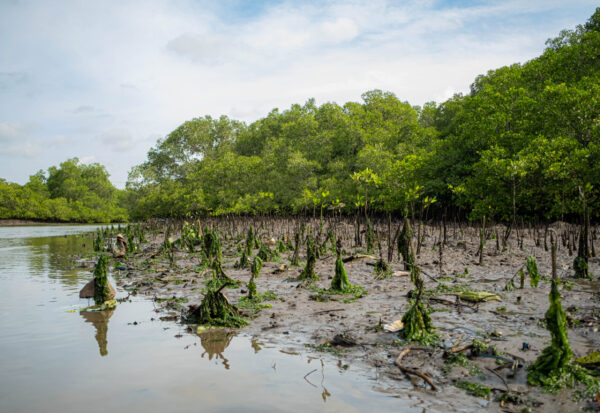
Strengthening financial pathways in mangrove conservation: Building the case for mangrove-positive microfinance
Magnitude Global Finance and partners explore how microfinance can scale mangrove-positive enterprises. The report outlines key barriers, proposes solutions, and highlights community-led models from Indonesia and Sri Lanka that link conservation with inclusive finance, gender equity, and climate resilience.
NDCs as levers for prosperity, health & resilience
Climate Crisis Advisory Group argues that NDCs must go beyond emissions targets to unlock co-benefits like health, jobs, and resilience. The report outlines how just transition principles and localised, inclusive policy design can strengthen national climate strategies and deliver prosperity for the most vulnerable.
A confident carbon market: Business perspectives
This VCMI – Accenture study explores the key concerns and opportunities shaping corporate engagement in voluntary carbon markets based on input from 65+ companies and 60 market reports. While carbon markets remain essential to climate ambition, risks currently outweigh perceived benefits. Businesses call for clarity on how and when to use credits. Framework alignment, credit quality assurance, and clearer financial value cases are seen as critical to increasing corporate investment and restoring momentum.
Corporate buyers in the voluntary carbon market (July 2025)
This AlliedOffsets report analyses voluntary carbon market activity by corporate buyers, revealing that demand remains highly concentrated, with Microsoft and Meta leading. Financial services and tech dominate volumes, but new entrants across sectors are emerging. It explores buyer motivations, retirement trends, and offsetting behavior, including how different sectors approach Scope 3. Regional and company-level insights show growing attention to integrity, price signals, and permanence. The report includes a leaderboard, strategy breakdowns, and trends in project types and geographies.
CDR: State of the market (July 2025)
This AlliedOffsets market overview tracks the surge in carbon dioxide removal (CDR) activity in H1 2025. While Microsoft continues to dominate demand, biochar and biomass-based methods lead in issuance. The report unpacks buyer trends, price shifts, and early diversification into DAC, ERW, and mineralization.