Nature-based models for unlocking private investment into freshwater (Expanded Edition)

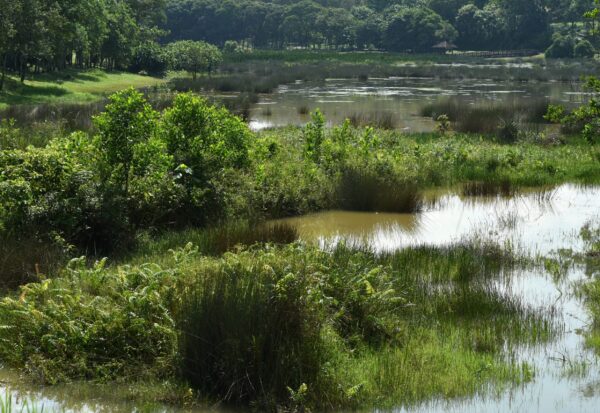
Developed by GFI Hive, UNDP BIOFIN, and UNEP FI as part of the Revenues for Nature series, this guidebook supports countries and investors in designing nature-based revenue models for freshwater systems. It showcases mechanisms including green user charges, biodiversity-linked bonds, and blended finance facilities. With deep dives into 10+ global case studies, it outlines the enabling environment, governance, regulation, metrics, needed to scale capital for freshwater ecosystem protection.

Financing forests: Complementarities between TFFF and jurisdictional REDD+

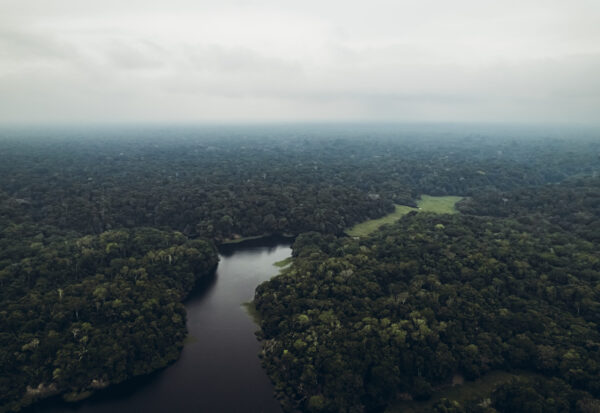
This report outlines how the Tropical Forests Forever Facility (TFFF) and jurisdictional REDD+ can jointly close over 50% of the tropical forest finance gap by 2030. By addressing different needs, long-term conservation and near-term emissions reduction, they offer complementary finance pathways without double counting.

How to fully operationalize Article 6

Published by the Center on Global Energy Policy, this commentary assesses why Article 6 remains underutilised despite growing demand. It outlines remaining gaps, especially around enforcement, infrastructure, and host country capacity. The paper recommends prioritising environmental integrity, investor protection, and safeguards against double counting. It also calls for donor-backed capacity building and stronger global governance to unlock Article 6’s full potential in both voluntary and compliance markets.

Assessment of nature-related financing and investment opportunities in Kenya

Produced by FSD Kenya, GIZ, and FMO, this report outlines the landscape for nature-related finance in Kenya. It identifies priority sectors, business models, and instruments to scale investment. Case studies show how banks, DFIs, and local enterprises can align revenue models with nature-positive outcomes. The report highlights financing gaps, policy constraints, and opportunities to crowd in private capital for resilience, biodiversity, and sustainable livelihoods.

Blue carbon and nationally determined contributions: Second edition

This second edition guide provides practical steps for governments to include blue carbon ecosystems in their NDCs. It outlines key policy levers, data requirements, and enabling conditions for integrating coastal wetlands into national mitigation and adaptation strategies under the Paris Agreement.

Carbon markets access toolkit

In this practical guide, VCMI outlines how countries can build the enabling environments needed to access carbon markets credibly and effectively. The toolkit includes an Access Framework with indicators across governance, safeguards, finance, data, and policy. It helps users identify capacity gaps, prioritize investments, and coordinate across ministries. Developed with a focus on equity and climate ambition, the toolkit is designed to support implementation of Article 6 and the transition toward high-integrity, country-driven carbon market participation.