
Ecosystem Marketplace and The Nature Conservancy analyse 1,918 investments totalling $62.7 billion, finding private investment in nature grew fivefold from 2016–2025, though deployment remains constrained by systemic barriers.
CCP Guide Module 1: Navigating High-Integrity Carbon Markets
The Integrity Council for the Voluntary Carbon Market launches the first module of a new guidance series helping organisations, businesses, and governments engage with high-integrity carbon markets using CCPs.
A Buyer’s Guide to Assurance on Sustainability Information
WBCSD and ICAEW’s updated second edition guides corporate buyers, including boards and audit committees, through commissioning sustainability assurance, covering scope definition, organisational readiness assessment and governance best practice.
How to align capital markets to benefit climate and nature
World Economic Forum’s André Hoffmann argues capital markets must treat ecosystems as critical infrastructure, using catalytic tools like GAEA to coordinate public, private and philanthropic finance for climate and nature.
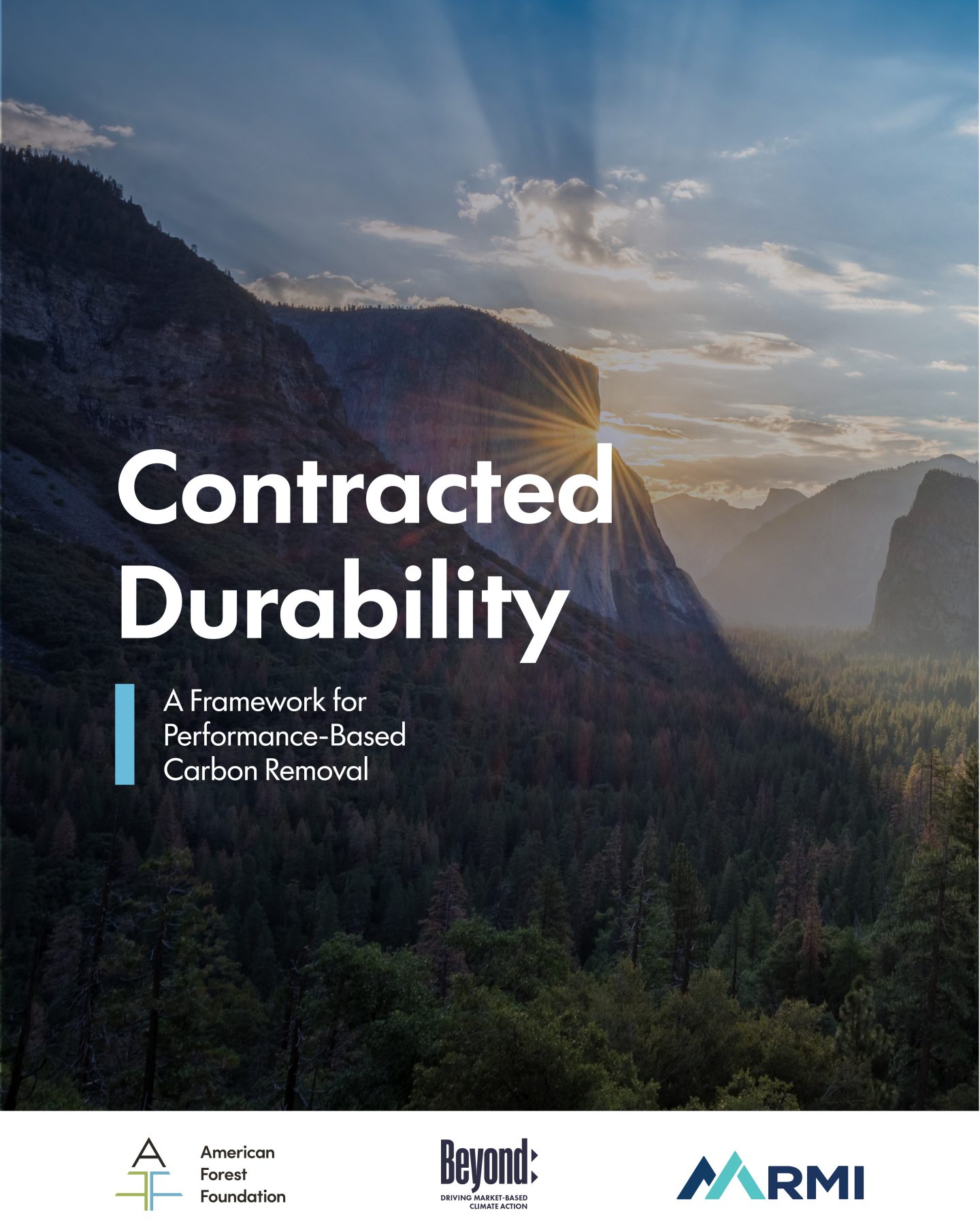
Contracted Durability: A Framework for Performance-Based Carbon Removal
A new white paper from RMI, Beyond Alliance, the American Forest Foundation, and LongRun Climate introduces contracted durability: a set of legal and financial mechanisms that ensure a carbon dioxide removal credit keeps one tonne of CO₂ out of the atmosphere across the durability threshold it is required to meet.

SBTi Corporate Net-Zero Standard Version 2.0
The SBTi’s new flagship Standard has arrived, marking the next phase of the net-zero transition—from ambition to real-world implementation
A new carbon accounting standard for crops and land use
The World Economic Forum argues that corporate carbon accounting is gaining a land-use “balance sheet” in 2026, tracking carbon stores alongside fluxes, with implications for supply chains, asset valuations and investors.
Global Methane Tracker 2026
The IEA’s Global Methane Tracker 2026 provides annual estimates of energy sector methane emissions — covering oil, gas, and coal — alongside abatement options, costs, and policy trends, drawing on satellite data and measurement campaigns.
State and Trends of Carbon Pricing 2026
The World Bank Group’s annual State and Trends of Carbon Pricing report is aimed at providing an up-to-date overview of existing and emerging carbon pricing instruments around the world, including international, national, and subnational initiatives.
Unlocking Clean Electricity in the Value Chain
A 3Degrees/Google/Meta collaboration offering a five-step methodology for organizations to directly procure clean electricity attributes and credibly address Scope 3 value chain emissions.