Published in February 2023, this Abatable report is aimed at investors and companies who are currently supporting projects in the voluntary carbon market. It is intended to help them in navigating emerging policy and regulatory risks.

Published in February 2023, this Abatable report is aimed at investors and companies who are currently supporting projects in the voluntary carbon market. It is intended to help them in navigating emerging policy and regulatory risks.
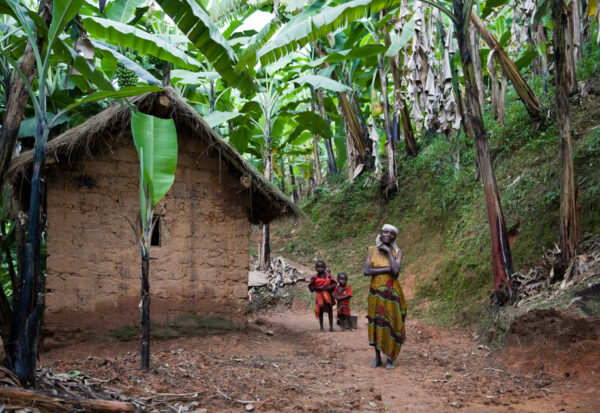
“Respecting Indigenous peoples’ cultural knowledge, rights and responsibilities will boost the resilience and long-term impact of landscape conservation and restoration projects,” the report writes. Published by The World Economic Forum in January 2023, this is essential reading for project developers as they plan and establish carbon projects. It is not appropriate to work on or near Indigenous land without seeking the free, prior, informed consent of the people to whom it belongs. The report shares ALIVE – a framework for action.

This resource is useful for those interested in carbon dioxide removal. Released in January 2023 by multiple funders, it covers both tech-based and nature-based carbon removal strategies, explaining their storage timescales and mitigation potentials. It says that novel CDR solutions are growing more rapidly than conventional techniques, but that these conventional methods already take approximately 2 GtCO2 from the atmosphere every year.

In this report, Abatable considers the state of carbon projects in 2022. Published in January 2023, this is relevant to both the supply and demand sides of the market. It says that more than $10bn of investment was announced for carbon credit generation in 2022, while the total size of retirements was just over $1bn.

This report from AI Dash states that 41% of CSOs do not use carbon offsets as they don’t trust them enough. Published in January 2023, the findings of this study are drawn from a survey of 533 mid-level and senior executives who make sustainability decisions for their organisations.

Discover the dominant corporate perspectives on climate action and carbon credits with this report from WMB and Conservation International. Published in January 2023, it found the vast majority of business leaders (92%) see long-term decarbonization as a priority and say the responsible use of carbon credits is important to reducing emissions (89%).

This report from Nature4Climate shares a company dictionary of the different actors operating in the nature tech space. Published in November 2022, this is a valuable resource for project developers looking for MRV and for business leaders starting their due diligence processes. Elsewhere in the report, you can find information on the potential of nature tech to solve scaling challenges for NBS and predictions for the future of the market.

Measuring and monitoring are an essential part of the voluntary carbon market. This report from Mana Impact, EviroStrat and UBS Optimus Foundation, offers an overview of current global frameworks and standards being used to measure, report and verify (MRV) nature-based solution projects. Published in November 2022, its case studies provide examples of best practices for other project developers to emulate and show corporate buyers what to look out for when selecting carbon projects.

How can nature-based solutions support corporate sustainability action? The report from WBCSD is a resource for companies looking to implement nature-positive and net-zero strategies to support the world’s global climate goals. Published in November 2022, it explains how companies can help leverage NBS to deliver for climate, nature and equity.

This report is a REDD+ resource. Published by Conservation International and The Nature Conservancy in November 2022, it covers the seven REDD+ standards, as well as the sources of finance for which they are eligible. The goal is to simplify the understanding of various standards, funding sources, and markets for REDD+ in order to facilitate access to REDD+ finance.